
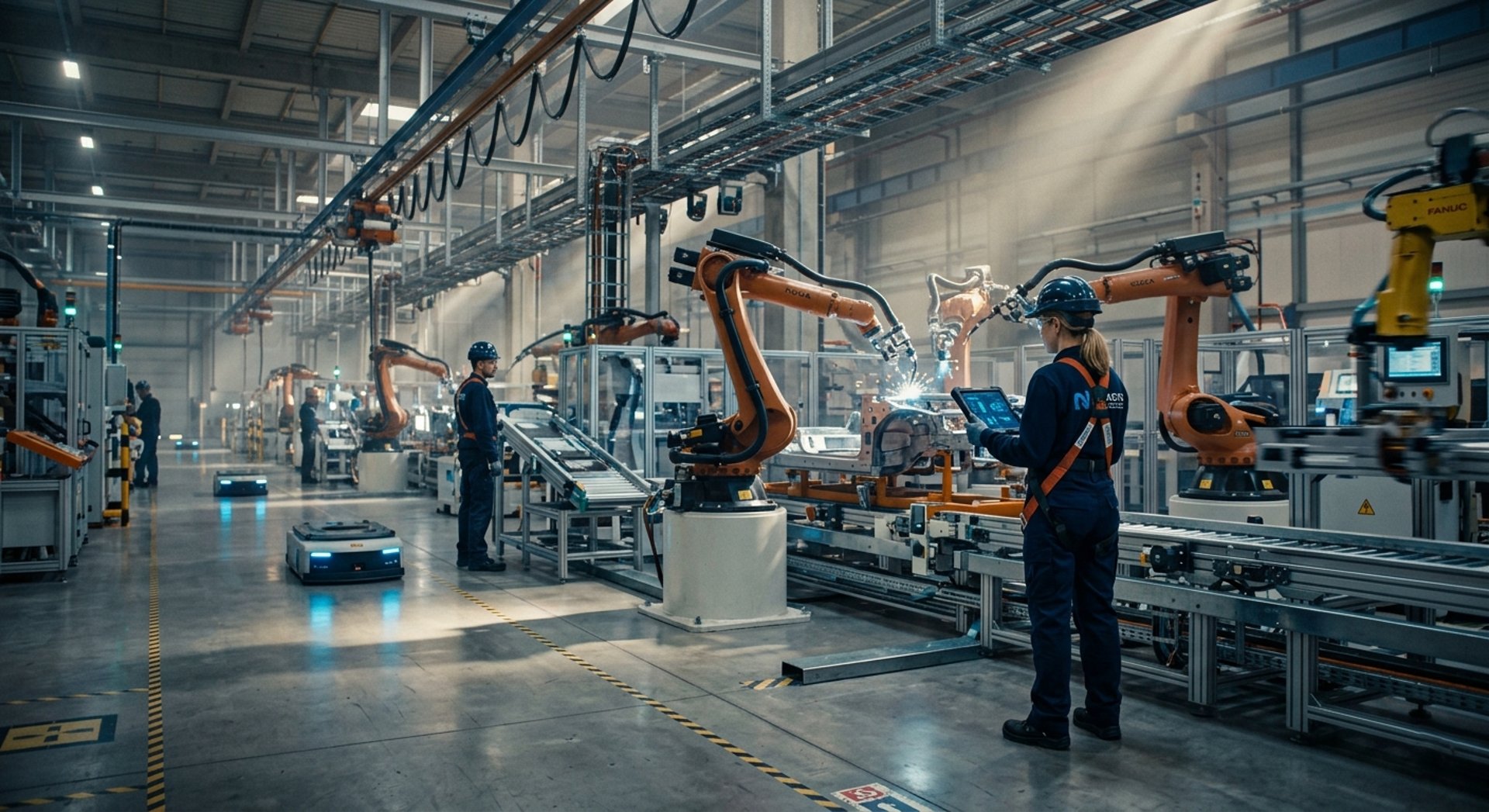
10 Workflow Automation Ideas for Manufacturing to Scale in 2026
Explore 10 powerful workflow automation ideas for manufacturing in 2026. Learn how to reduce downtime, improve quality, and scale your global operations.
AI & AUTOMATION
Key Points
Industrial automation is projected to reach $233.6 billion globally by 2026.
Workflow automation reduces unplanned downtime and solves labor shortages in the manufacturing sector.
Predictive maintenance and AI-driven quality control can cut repair costs and eliminate manual inspection errors.
Real-time dashboards allow managers to track machine performance and make faster, data-backed decisions.
Successful automation requires high data accuracy and standardized processes to prevent scaling existing errors.
Digital twins and AI scheduling tools enable factories to test production changes virtually before implementation.
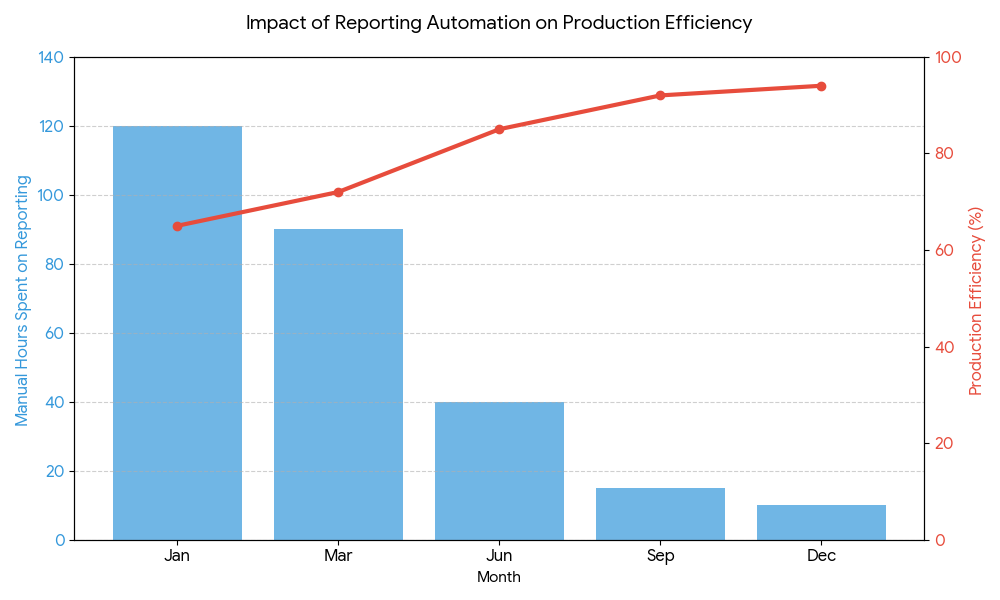
Actionable takeaway: Start with a small pilot project, such as automating one reporting task or a single production line, to verify your data accuracy before scaling across the entire facility.
Workflow automation is no longer a luxury for big factories. It is a survival tool for every manufacturer. In 2026, the global industrial automation market is expected to reach $233.6 billion. This growth is driven by a simple fact. Machines and software can handle routine tasks faster and more accurately than people.
For a manufacturing business, automation means fewer errors on the shop floor. It means your machines stay running longer. It also means your team can focus on solving complex problems instead of filling out paper forms. Whether you are managing a small workshop or a global production line, these workflow automation ideas will help you scale without adding unnecessary costs.
Why is manufacturing workflow automation critical in 2026?
The industry is moving from simple digital tools to autonomous operating models. In 2026, experts predict that 40% of enterprise applications will include task-specific AI agents. This shift allows factories to react to changes in seconds. If a shipment is late or a machine gets too hot, the system makes a decision instantly.
Manual processes create bottlenecks. When data is stuck in a spreadsheet, your managers cannot see the big picture. Automation acts as the "connective tissue" for your business. It allows data to flow from your machines directly to your front office. Organizations using AI-assisted workflow optimization report 30% faster cycle times in heavy decision-making processes.
How does automation help reduce the "cost of doing nothing"?
Unplanned downtime is a silent profit killer. The average factory loses about 800 hours of production time every year to preventable breakdowns. When you do not automate, you are choosing to lose money. Automation helps you catch these issues before they happen. It also addresses the talent gap. With fewer skilled workers available globally, automation allows your existing team to produce more with less effort.
10 Workflow Automation Ideas for Modern Manufacturers
1. Predictive Maintenance Alerts
Machines often show signs of trouble weeks before they fail. By using IoT sensors, you can track vibrations and heat. The workflow automation triggers an alert when a machine moves outside its normal range. This system can automatically schedule a repair and order the necessary parts. Recent data shows that predictive maintenance can reduce unplanned downtime by 70% to 90%. This keeps your production line moving and saves thousands in emergency repair costs.
2. Automated Quality Inspection via Computer Vision
Human eyes get tired, but cameras do not. You can automate quality control by using high-speed cameras on the assembly line. These cameras scan every product for tiny defects. If an error is found, the system flags the item and stops the line or redirects the product. This ensures that near-perfect quality reaches your customers. It also provides a digital record of every item produced, which is vital for compliance and safety.
3. Intelligent Inventory Forecasting
Running out of a key component can stop your entire factory. Automated inventory workflows use your past sales data to predict what you will need next month. The system monitors your current stock levels in real time. When stock gets low, it sends a purchase request to your suppliers automatically. This prevents "stockouts" and ensures you do not tie up too much cash in excess inventory.
4. Dynamic Shift Scheduling with AI Agents
Managing a workforce across multiple shifts is a headache. Automated scheduling tools can look at production goals, worker skills, and leave requests. The system creates the most efficient schedule possible. If a worker calls in sick, an AI agent can instantly find a replacement and notify them. This reduces the time managers spend on administrative work and keeps the floor fully staffed at all times.
5. Real-Time OEE Dashboards
Overall Equipment Effectiveness (OEE) tells you how well your factory is performing. Instead of calculating this at the end of the week, automate it. Sensors on your machines send data directly to a live dashboard. You can see your availability, performance, and quality scores in real time. This allows you to spot a slow machine immediately rather than finding out days later.
6. Automated Supplier Portals
Communication with suppliers is often slow. You can automate this by creating a digital portal. When your production plan changes, the portal updates your suppliers automatically. They can confirm delivery dates and upload invoices in one place. This removes the need for hundreds of back-and-forth emails. It also gives you a clear view of your global supply chain health.
7. Energy Management Automation
Energy is one of the highest costs for any manufacturer. Automated energy systems monitor your power use across the factory. If a section of the building is not being used, the system can dim lights or lower the temperature. It can also shift high-energy tasks to times when electricity is cheaper. Companies using AI for energy optimization often see a 22% reduction in energy costs.
8. Automated Safety and Compliance Reporting
Safety audits are time-consuming. You can automate the collection of safety data by using digital checklists on tablets. Sensors can also monitor for gas leaks or high noise levels. If a safety limit is reached, the system logs the event and alerts the safety officer. This makes your annual audits as easy as clicking a button and ensures a safer environment for your workers.
9. Digital Twin Simulations
A digital twin is a virtual copy of your factory. Before you change a workflow, you can test it in the digital twin. The automation calculates how the change will affect your output. This allows you to "fail fast" in a virtual world without risking your real production. It is a powerful way to optimize your layout and trial new products.
10. Intelligent Changeover Management
Changing a machine from making Product A to Product B often causes downtime. You can automate the changeover process. The system sends the new digital instructions to the machine and guides the operator through the manual steps via a tablet. This reduces the time it takes to switch products and ensures the machine is set up correctly the first time.
What are the secrets to a successful automation rollout?
Successful workflow automation is not just about buying new software. It starts with a clear strategy. Good workflow automation works well when the data is accurate. If your sensors are wrong, your automation will make the wrong decisions. You must also consider your company culture. Employees are often afraid that automation will replace them. Instead, show them how it removes the boring, dangerous parts of their jobs.
Standardize your processes before you automate them. If a process is broken, making it faster will only cause more problems. Start with a small pilot project. For example, automate just one production line or one reporting task. This allows you to learn and fix small errors before you roll out the system to the whole factory. Finally, ensure your systems can talk to each other. Your ERP, your sensors, and your dashboards must be part of one connected ecosystem.
How Exology Helps
Exology understands the complex world of manufacturing. We do not just give you tools; we build the systems that help you scale globally. Our approach to workflow automation is based on real-world results. We focus on turning your factory into a smart, data-driven operation.
Global Expertise: We have delivered over 150 projects worldwide, helping Businesses in various countries adopt modern technology.
Proven Time Savings: In 2025 alone, our solutions helped clients achieve 5,000+ hours of manual work saved. This allows your team to focus on high-value tasks that grow the business.
Cutting-Edge AI Deployment: We stay ahead of the curve by building intelligent systems. We successfully have 2 custom AI agents deployed in 2025 that manage complex manufacturing workflows.
Custom Business Intelligence: We create dashboards that show your real-time machine data. This helps you spot bottlenecks and improve your OEE scores instantly.
End-to-End Digital Transformation: From ERP implementation to advanced AI, we ensure your entire factory is connected. We help you move away from manual spreadsheets and toward a fully automated future.
Read More
Contact us
Whether you have a request, a query, or want to work with us, use the form below to get in touch with our team.